
How Dental Bridges Prevent Shifting Teeth and Bite Problems
Patients can be surprised by how quickly a missing tooth can affect their bite, alignment, and comfort. Even a single gap can set off a chain reaction that leads to shifting teeth and uneven pressure across the jaw. Dental bridges, from Germantown Advanced Dentistry offer a reliable way to restore balance while protecting surrounding teeth from unnecessary strain.
What Are Dental Bridges and How Do They Work?
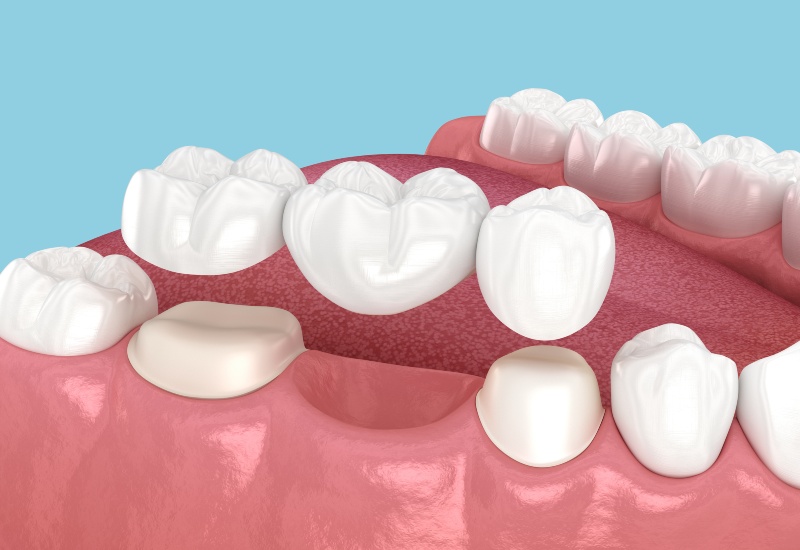
Dental bridges are fixed restorations designed to replace one or more missing teeth by anchoring an artificial tooth between two natural teeth or dental implants. The supporting teeth hold the bridge securely in place, allowing it to function much like natural teeth.
Understanding how dental bridges work helps explain why they are so effective. The bridge fills the empty space while maintaining proper spacing and alignment across the dental arch. This prevents neighboring teeth from drifting out of position. A typical dental bridge includes:
- A replacement tooth (pontic) that fills the gap
- Supporting crowns placed on adjacent teeth or implants
- A custom design that matches the shape and color of natural teeth
Why Missing Teeth Cause Shifting and Bite Problems
When a tooth is lost, the surrounding teeth no longer have the support they need to stay in place. Over time, they begin to move toward the open space. This movement may seem minor at first, but it can quickly lead to noticeable alignment issues.
As teeth shift, the way your upper and lower teeth meet begins to change. This can result in uneven wear, jaw discomfort, and difficulty chewing. Bite problems solutions often require correcting alignment and function, which becomes more complex the longer the untreated issue goes. Without intervention, missing teeth can lead to:
- Crowding or gaps in surrounding teeth
- Changes in facial structure due to bone loss
- Increased risk of decay and gum disease in misaligned areas
- Strain on the jaw joints from uneven bite pressure
How Dental Bridges Prevent Teeth From Shifting
One of the most important roles of dental bridges is their ability to prevent teeth shifting. By filling the empty space left by a missing tooth, a bridge acts as a placeholder that keeps neighboring teeth in their proper positions. This stability stops teeth from moving in ways that could disrupt your bite, and it also preserves the natural spacing of your smile. Dental bridges stop teeth from moving by:
- Maintaining consistent spacing between teeth
- Providing structural support to adjacent teeth
- Distributing bite forces evenly across the arch
Preventing Bite Problems With Dental Bridges
Bite alignment is essential for comfortable chewing and oral health. When teeth shift due to a gap, the bite becomes uneven, leading to pressure points that can cause discomfort or damage. Dental bridges restore proper bite alignment by replacing the missing tooth and reestablishing balance. This ensures that your upper and lower teeth come together as they should. Patients often notice improved comfort while eating and reduced jaw strain after treatment.
Dental Bridge Advantages and Benefits
Dental bridges offer a combination of functional and aesthetic improvements that make them a popular choice among tooth replacement options. They blend seamlessly with natural teeth while restoring essential oral functions. Some of the benefits of dental bridges include:
- Restoring the ability to chew and speak clearly
- Preventing neighboring teeth from shifting
- Maintaining facial structure by supporting the underlying bone
- Providing a natural-looking appearance
Dental Bridges Compared to Other Tooth Replacement Options
There are several tooth replacement options available. Dental implants and removable dentures are common alternatives, but bridges offer a unique balance of convenience and effectiveness. Bridges are fixed in place, meaning they do not need to be removed for cleaning like dentures. They also do not require surgery in every case, making them more accessible for certain patients. When comparing your options, consider the following:
- Dental bridges provide immediate stability without the need for extensive healing time.
- Implants offer long-term durability but require a surgical procedure.
- Dentures are removable and may require adjustments over time.
When to Consider a Dental Bridge
Timing plays a significant role in preventing complications from missing teeth. The sooner a gap is addressed, the easier it is to maintain proper alignment and avoid additional issues. Delaying treatment can lead to more complex problems, so it is worth exploring treatment early. You may want to consider dental bridges if you:
- Have one or more missing teeth
- Notice shifting or spacing changes in your smile
- Experience difficulty chewing or speaking
- Want a fixed solution that feels natural
Why Choose Germantown Advanced Dentistry
Germantown Advanced Dentistry uses advanced materials and techniques to design bridges that look natural and perform reliably. Every dental bridge we create benefits long-term oral health because we take the time to evaluate your bite, alignment, and dental condition before dental treatment, and every restoration is customized to match your smile while addressing the underlying issues caused by tooth loss. Our patients appreciate our attention to detail and our commitment to creating solutions that last.
Frequently Asked Questions
How long do dental bridges last?
With proper care, dental bridges can last many years. Regular dental visits and good oral hygiene play a key role in their longevity.
Do dental bridges feel like natural teeth?
Yes, once placed, most patients find that their bridge feels very similar to natural teeth, especially when chewing and speaking.
Can dental bridges prevent shifting teeth completely?
They are highly effective at preventing movement when placed promptly after tooth loss. Early treatment offers the best results.
Are dental bridges a good option for everyone?
Not always. Some patients may benefit more from implants or other treatments. A professional evaluation is necessary to determine the best option.
What is involved in getting a dental bridge?
The process includes preparing the supporting teeth, taking impressions, and placing the final bridge once it is ready.
Schedule Your Dental Bridge Consultation
Are you dealing with a missing tooth, or have you noticed changes in your bite? Now is the time to take action. Contact Germantown Advanced Dentistry to schedule a consultation and learn how dental bridges can protect your smile, prevent shifting teeth, and provide lasting bite stability.